Researchers at Helix unveiled new clinical research presentations that continue to underscore the power of genomic insights at the ASHG 2024 Annual Meeting from November 5-9, 2024, in Denver, Colorado.
Presentations included the latest findings from Helix and collaborators, detailing discovery of rare coding variants using a sliding window technique, the impact of foregoing routine pharmacogenetic testing on major adverse events, genetics of Crohn's Disease and more.
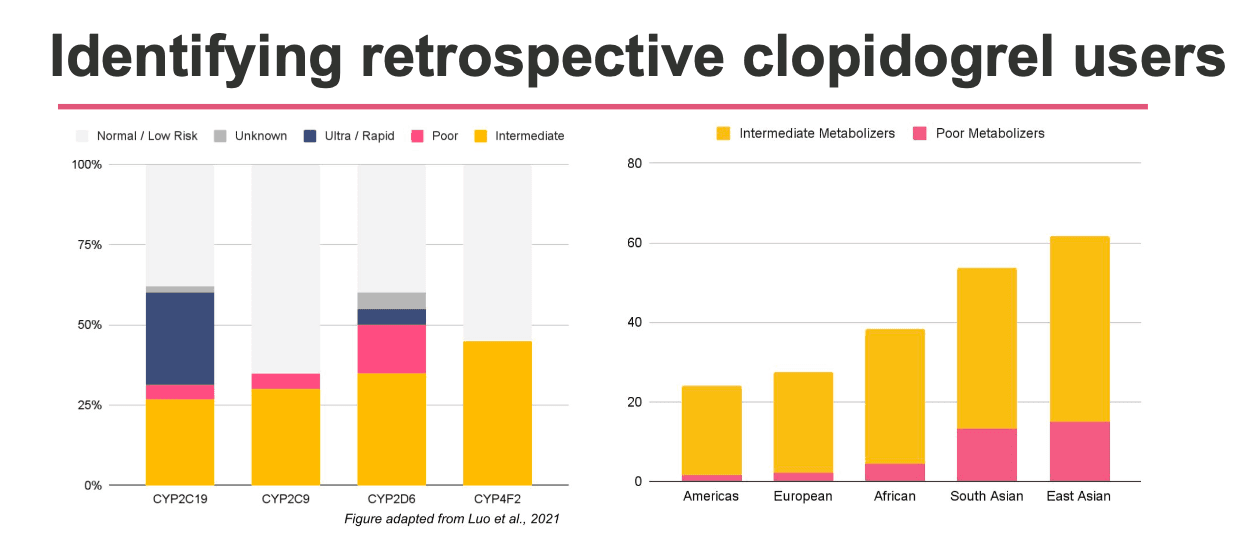
Adverse events increased by 38% in individuals who should not take clopidogrel
- Longstanding support for pharmacogenomic testing in the use of clopidogrel
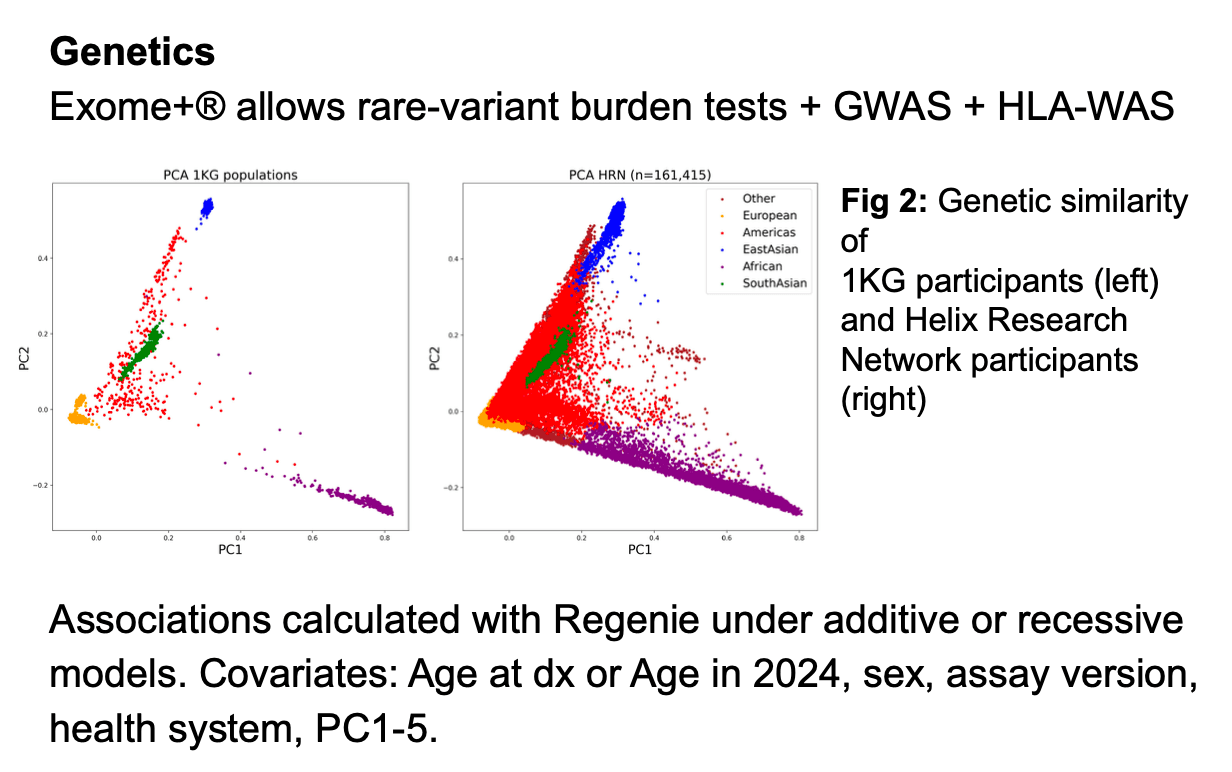
- We implement sequencing at scale in >100k individuals across 6 health systems in the Helix Research Network (HRN)
- Using these retrospective CYP2C19 results, we stratify individuals by whether their clopidogrel treatment was appropriate in retrospect
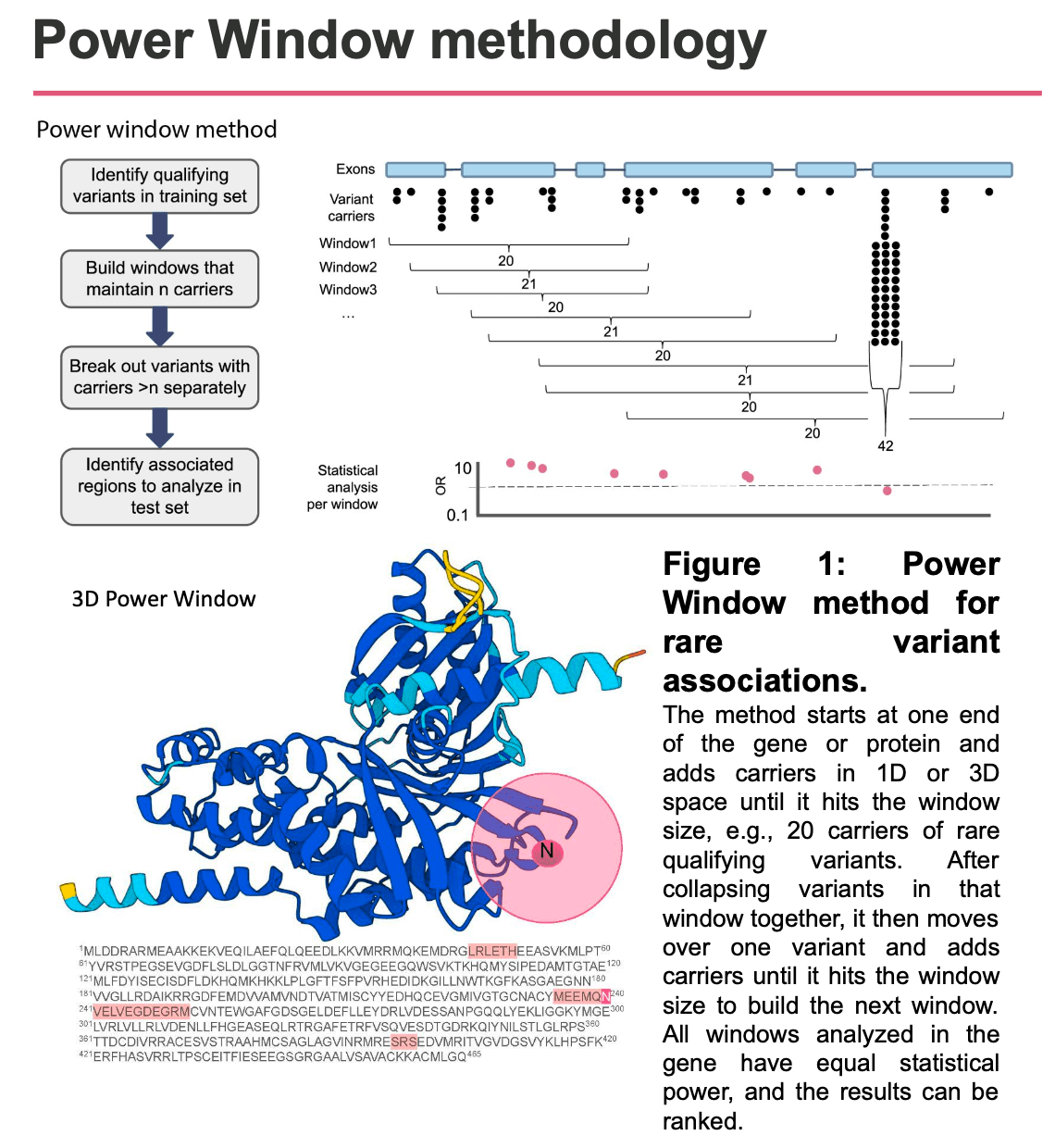
Discovery of rare coding variants with loss of function effect using a sliding window technique on clinicogenomic data
- Power Window identifies regions in a gene or folded protein where rare variants have the same effect
- When genes show associations with LoF but not coding variants, can we identify coding variants with LoF effect?
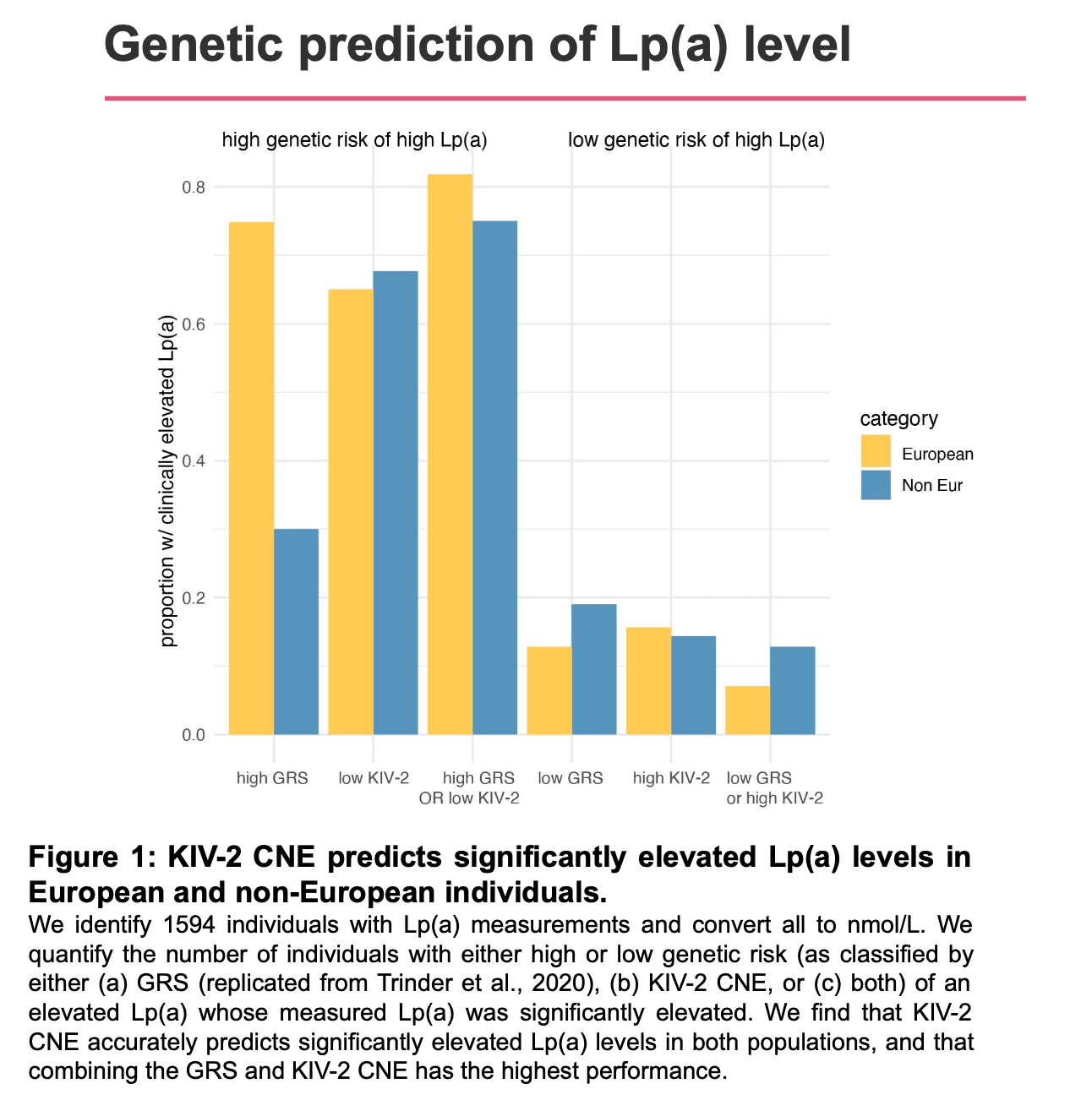
Genetically predicted Lp(a) levels accurately identify individuals at risk of cardiovascular complications
- Lp(a) is a genetically determined cardiovascular risk factor
- It is impacted by both single nucleotide variation (SNVs) in the LPA gene as well as the number of repeats of the KIV2 exon (ranging from 1-40+)
- Previous genetic risk scores (GRS) based on SNVs have not predicted Lp(a) levels outside of European populations
- And measuring repeats of the KIV2 exon is challenging with sequencing technology In the all-comers Helix Research Network (HRN), n=108k, we develop an exome-based KIV-2 exon copy number estimate (KIV-2 CNE)
- Can a novel exome-based predictor of KIV-2 CNE accurately measure Lp(a) levels?Is genetic risk of a high Lp(a) associated directly with cardiovascular disease risk?
Genetics of Crohn’s Disease in the US population
- Inflammatory Bowel Disease (IBD), including Crohn’s disease and Ulcerative Colitis, affects ~3 million people in the US.
- Treatment often aims at reducing inflammation, with new more personalized treatments on the horizon.
- NOD2 gene is strongly associated with Crohn’s disease.
- Currently, there are no treatments or drugs that specifically target the NOD2 pathway. A few studies suggest that NOD2 homozygotes may be steroid-dependent or steroid-refractory, with potential benefits of treating with anti-TNFa.